
Interior Design Home Furnishings
Interior design furniture refers to the furniture elements chosen and arranged by interior designers to create a cohesive and aesthetically pleasing environment within a given space. The selection of furniture is a crucial aspect of interior design, as it greatly influences the overall style, functionality, and atmosphere of a room. Here are some key considerations and aspects related to interior design furniture:
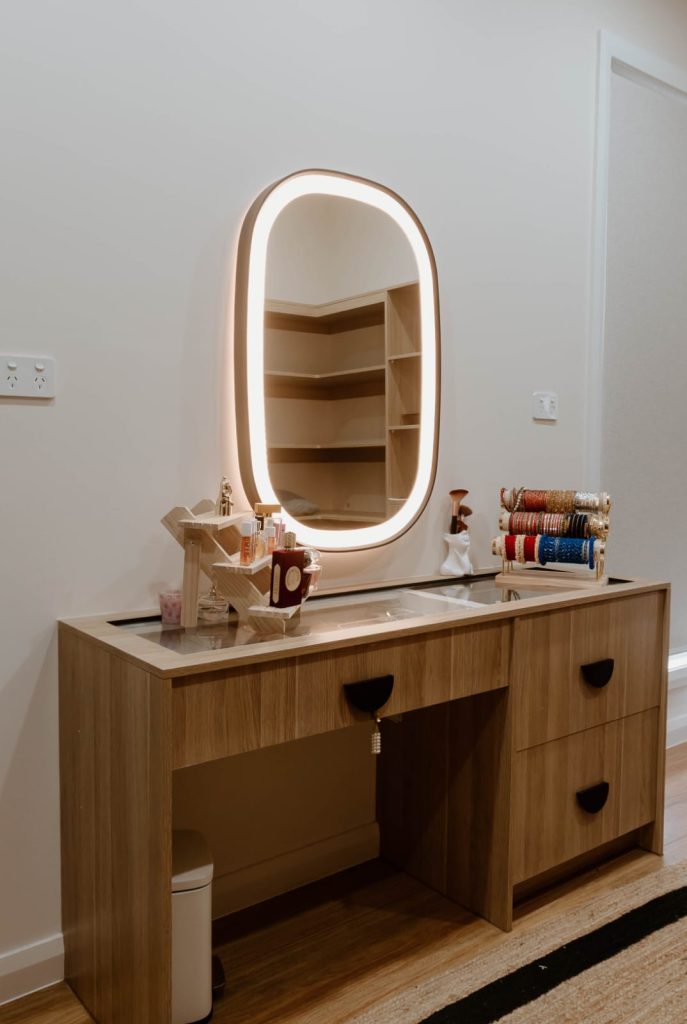
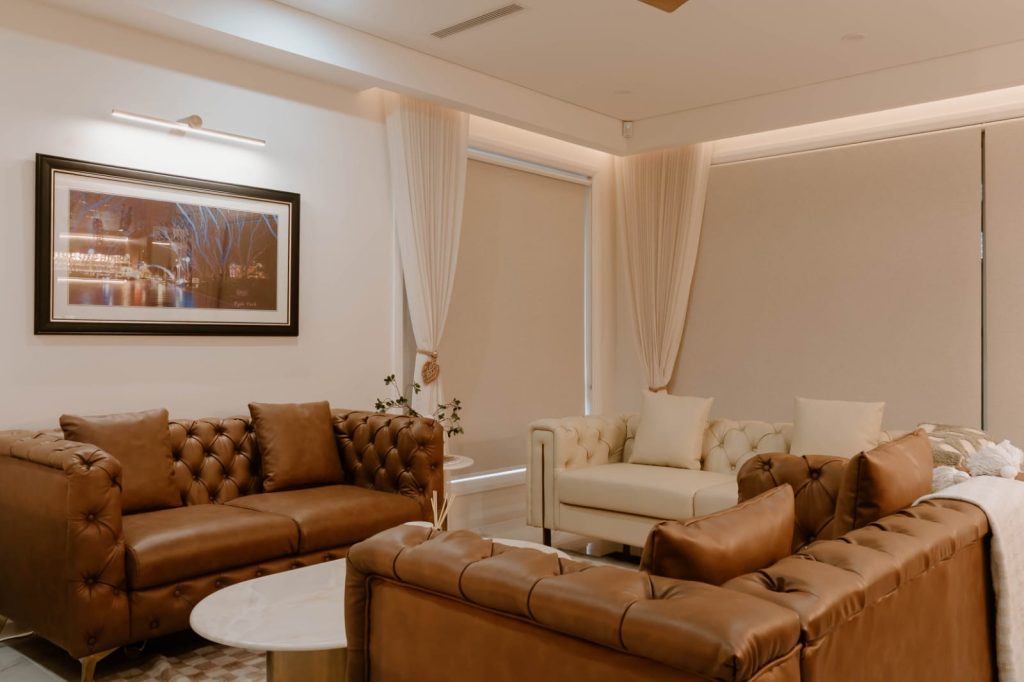
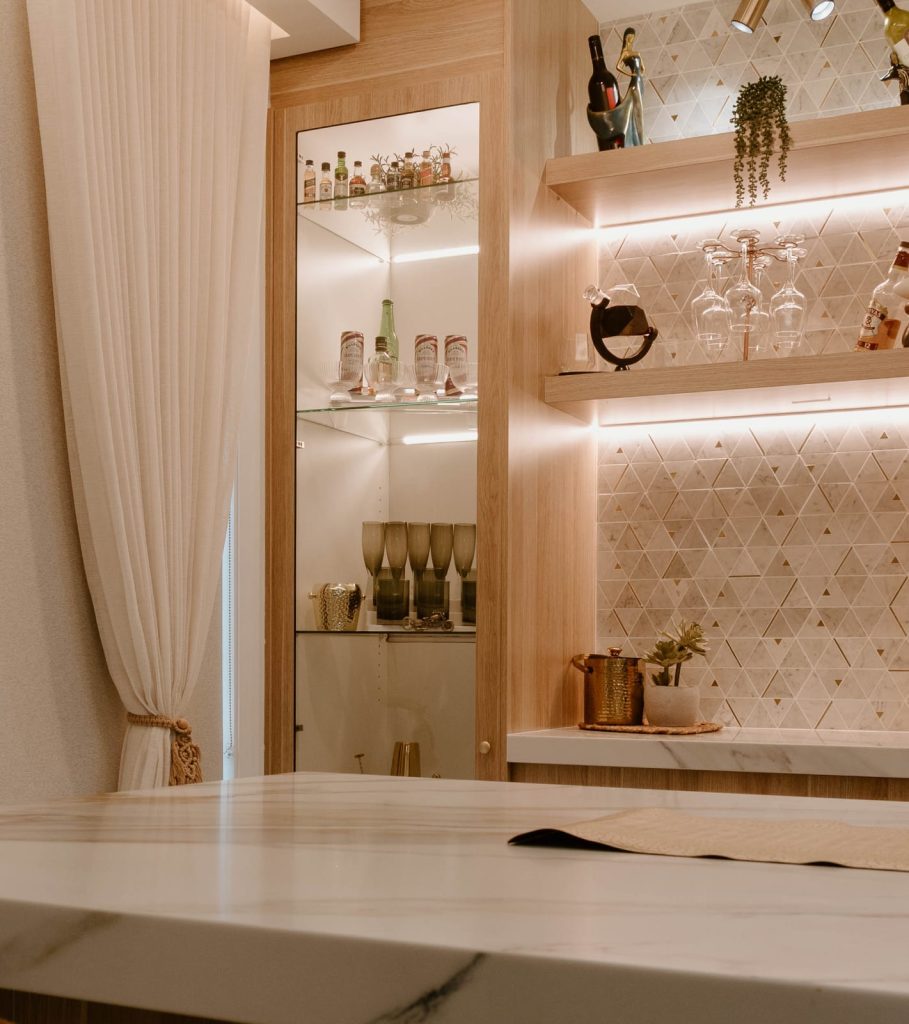
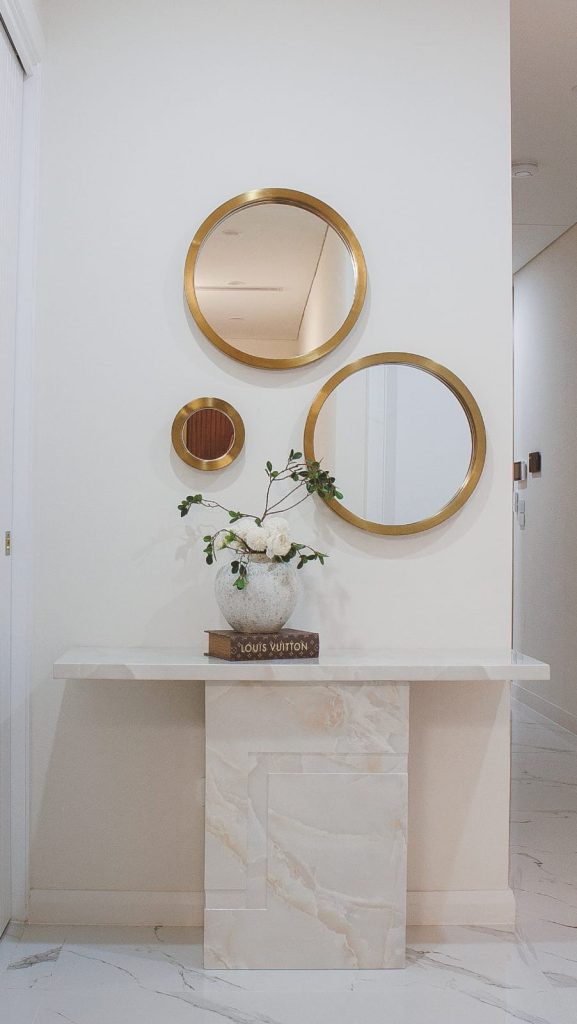
- Style and Theme:
Interior designers often work with a specific design style or theme that guides their selection of furniture. Common styles include modern, traditional, transitional, minimalist, industrial, and more.
The chosen furniture pieces should align with the overall design concept to create a cohesive and harmonious look. - Functionality:
Furniture should be selected based on the intended function of each space. For example, the furniture in a living room may prioritize comfort and socializing, while furniture in a home office may prioritize functionality and productivity.
- Style and Theme:
- Space Planning:
Interior designers carefully plan the layout and arrangement of furniture to optimize the use of space. This includes considerations for traffic flow, focal points, and the visual balance of the room.
- Space Planning:
- Materials and Finishes:
The choice of materials and finishes for furniture can significantly impact the overall aesthetic. Common materials include wood, metal, glass, and various upholstery fabrics. The finishes can range from matte to glossy, rustic to polished.
- Materials and Finishes:
- Color Scheme:
The color of furniture plays a crucial role in the overall color scheme of the interior. Designers may choose furniture that complements or contrasts with the colors of walls, flooring, and other elements in the space.
- Color Scheme:
- Scale and Proportion:
Furniture should be appropriately scaled to the size of the room. Achieving a balance in proportion ensures that furniture pieces harmonize with each other and the overall space.
- Scale and Proportion:
- Customization:
Interior designers may opt for custom or bespoke furniture to meet specific design requirements. Custom pieces allow for a unique and personalized touch.
- Customization:
- Innovation and Trends:
Interior designers often keep an eye on current furniture design trends and innovative solutions. Integrating modern and functional pieces can add a contemporary flair to the space.
- Innovation and Trends: